


From Bath to PEI: A Family Downsizing Journey
Two homes, two provinces, one trusted Minimizer.
A family transition planned with care, speed, and trust.
Andrea was managing the responsibility of preparing her parents’ family home in Bath, Ontario after her father passed away and her mother transitioned to Briargate Retirement Home.
As Power of Attorney, she was facing more than a cleaning or organizing task. The home needed to be sorted, simplified, prepared, and made ready for sale within a tight timeframe — while still respecting the emotional weight of a family property.
The Minimizer stepped in to help turn a complex transition into a clear sequence of practical work: downsizing decades of belongings, organizing the home, coordinating donations, cleaning, staging, and preparing the property for listing.
The project included visible elements of:
- Family downsizing support
- Sorting sentimental and household belongings
- Decluttering and organizing the home
- Donation coordination and practical removal support
- Cleaning and sale preparation
- Home staging for real estate listing
- Second-property transition support in PEI
- Condensed-timeline project coordination
Rather than treating each part of the work as separate, the project needed to be approached as a complete house-serving system.

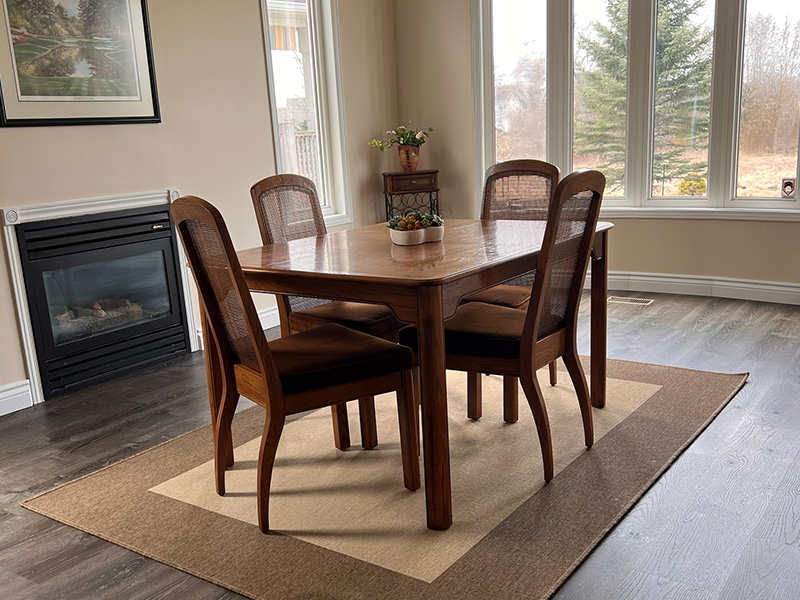
A race against time — with heart and purpose.
Andrea was carrying the responsibility of preparing a family home after major life changes. The work involved time pressure, emotional decision-making, and the practical reality of getting a home ready for sale.
The home held decades of belongings, and the project required more than surface-level tidying. Each room needed to be sorted, simplified, cleaned, organized, and prepared so the property could be shown clearly and confidently.
For families in this situation, the hardest part is often knowing where to begin. The work can feel too personal to rush, but too urgent to delay.
Denise’s role was to bring calm structure to the process — helping Andrea move through the home step by step while keeping the larger transition on track.
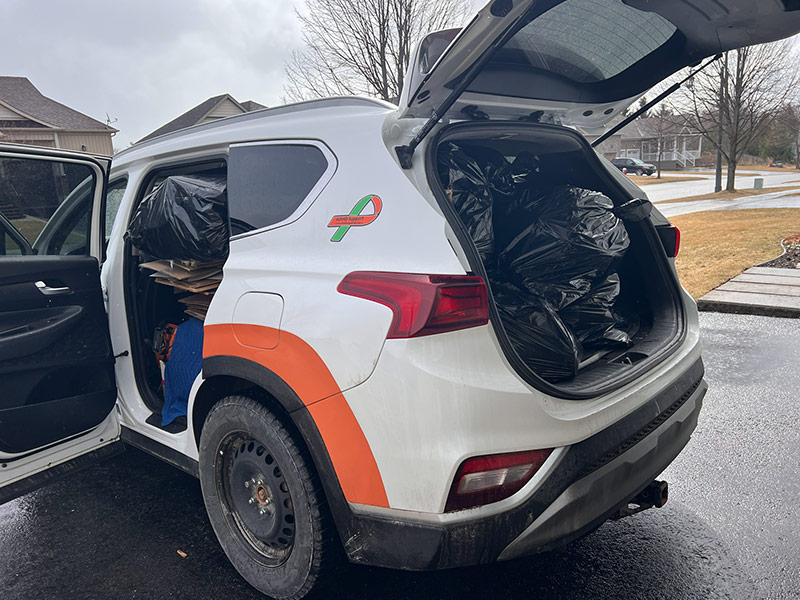
Not one task. A connected home transition sequence.
The project included the practical work of clearing, sorting, organizing, cleaning, staging, and preparing the home for sale. But the real value was in how those steps were coordinated so the transition could move forward without becoming more overwhelming.
Understanding the family situation
Starting with the context: Andrea’s role as Power of Attorney, her parents’ transition, the property timeline, and the decisions that needed support.
Sorting and downsizing belongings
Working through decades of household items with enough structure to make progress and enough care to respect what each item may represent.
Organizing and decluttering the home
Creating order room by room so the home felt clearer, lighter, and easier to prepare for its next stage.
Cleaning, staging, and sale preparation
Preparing the property so it could be viewed with confidence, including cleaning, arranging, simplifying, and staging the space.
Second-property support in PEI
After the Bath project, Andrea trusted The Minimizer enough to bring Denise to Charlottetown to help prepare a second family property under a more condensed timeline.
What the project required.
This case study shows the range of support The Minimizer can provide when a family transition involves both emotional decisions and practical deadlines.
Family Downsizing Support
Decisions made with careThe work began with the reality of a family home that needed to be simplified after a major life transition. Denise helped create momentum without treating the process as just “getting rid of things.”
Decluttering & Organizing
Room-by-room structureBelongings needed to be sorted, grouped, reduced, and organized so the home could become easier to manage and easier to prepare for sale.
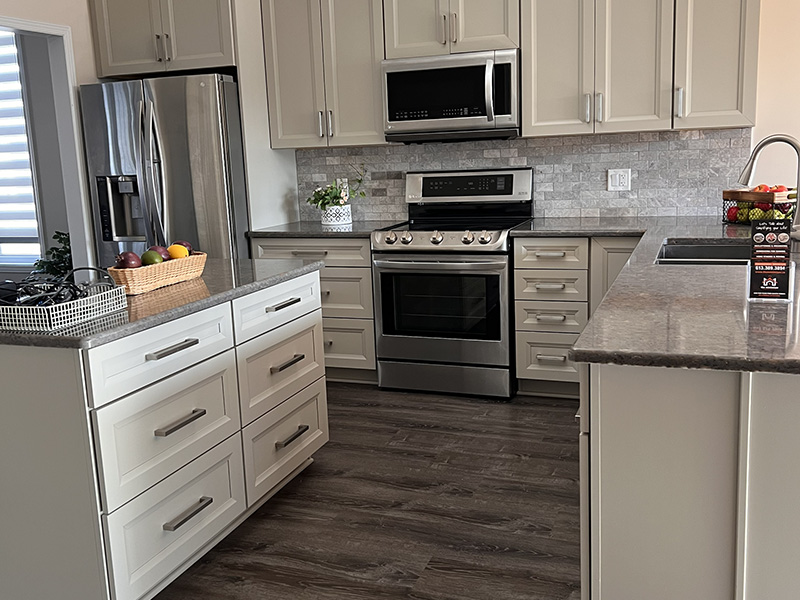
Donation & Practical Follow-Through
What leaves still has to go somewhereThe project required more than choosing what stayed. Donation coordination and practical removal support helped keep the work moving and prevented unfinished piles from becoming a second problem.
Cleaning & Sale Preparation
Making the home ready to be seenOnce the home was simplified, it needed to be cleaned and prepared so potential buyers could understand the space clearly.
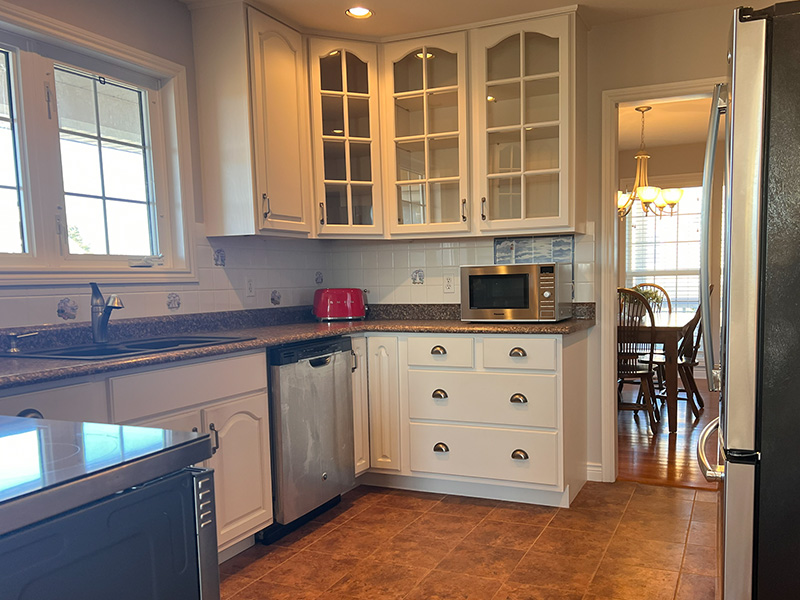
Home Staging
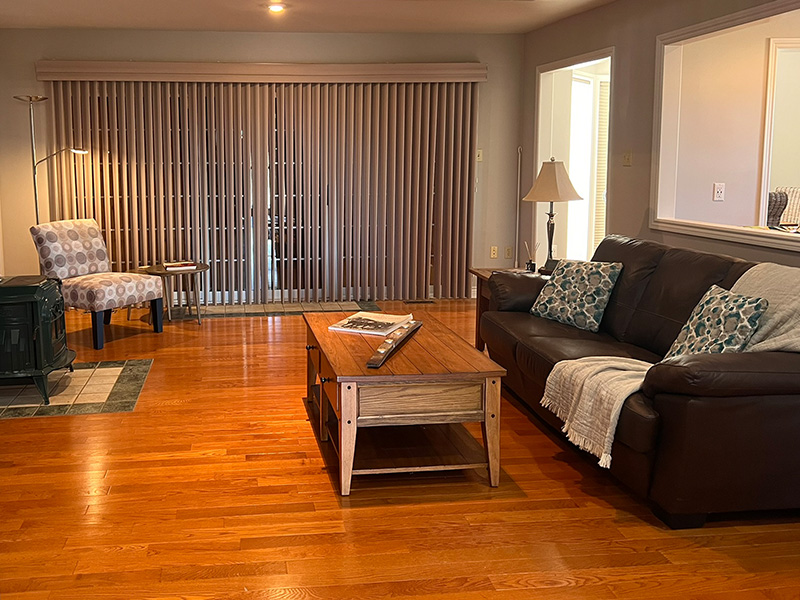
Clear, calm, and market-readyThe staging work helped the home feel polished, open, and ready for listing without losing the warmth of the property.
Out-of-Province Transition Support
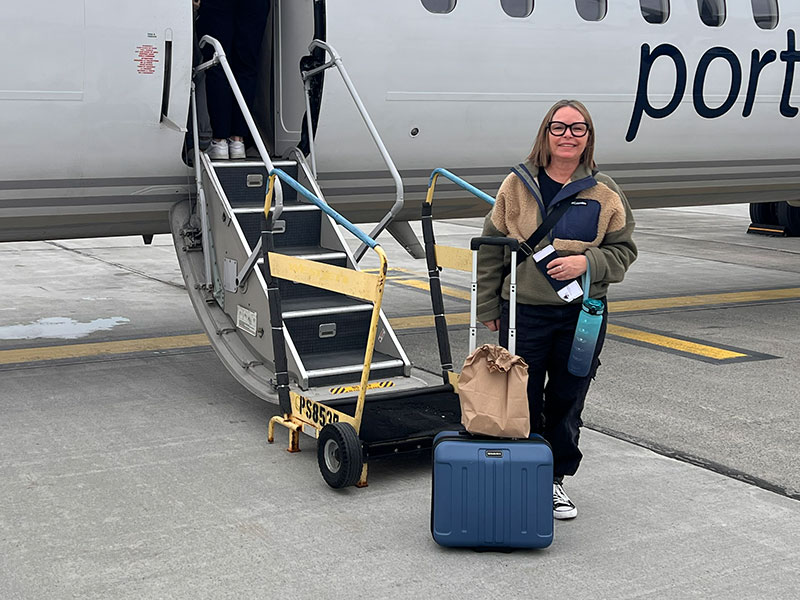
The trust continued in PEIAfter seeing the results in Bath, Andrea asked Denise to help with a second property in Charlottetown, PEI — a stronger proof point than any general service claim.
The Minimizer looks at the full transition — not only the rooms.
In a project like this, the work is not only about organizing a home. It is about understanding the family situation, the timeline, the property goal, and the emotional weight behind the decisions.
Denise’s approach is practical and compassionate at the same time: clarify what needs to happen, work through the belongings, keep the process moving, and help the home become ready for its next chapter.
That means considering:
- Who is making decisions and who needs to be kept informed
- What needs to be kept, donated, removed, packed, or staged
- Which rooms create the most pressure or delay
- How quickly the home needs to be prepared
- What practical supports are needed after sorting
- How the finished home needs to feel for sale or transition
- How to keep the process respectful, efficient, and manageable
Two homes prepared, one family supported, and a difficult process made manageable.
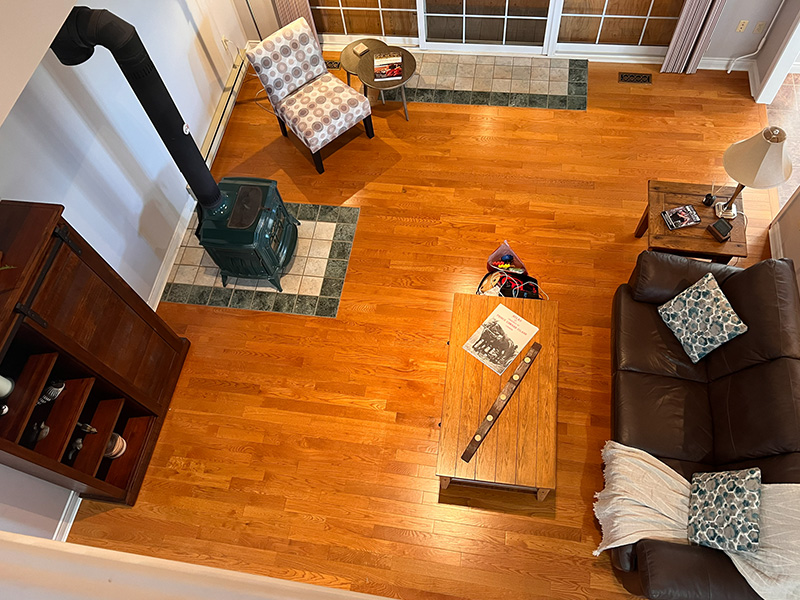
The Bath home was downsized, organized, cleaned, staged, and prepared for sale in under a week. The work gave Andrea a clearer path through a responsibility that could have felt overwhelming to manage alone.
The result was not just a tidier property. It was a home prepared for its next chapter, a family member supported through a complex transition, and a level of trust strong enough that Denise was invited to help again with a second property in PEI.
That is the real proof of The Minimizer’s work: calm support, practical follow-through, and results that make the next step easier.
Preparing a Home for Sale, Downsizing, or a Family Transition?
The Minimizer helps families and homeowners work through the belongings, rooms, decisions, and follow-through that make home transitions feel overwhelming.
Book Your Worry-Free Consultation